ChatGPT is Not Your Therapist
January 11, 2026
The Winter Slump & Spring Semester Fatigue
February 23, 2026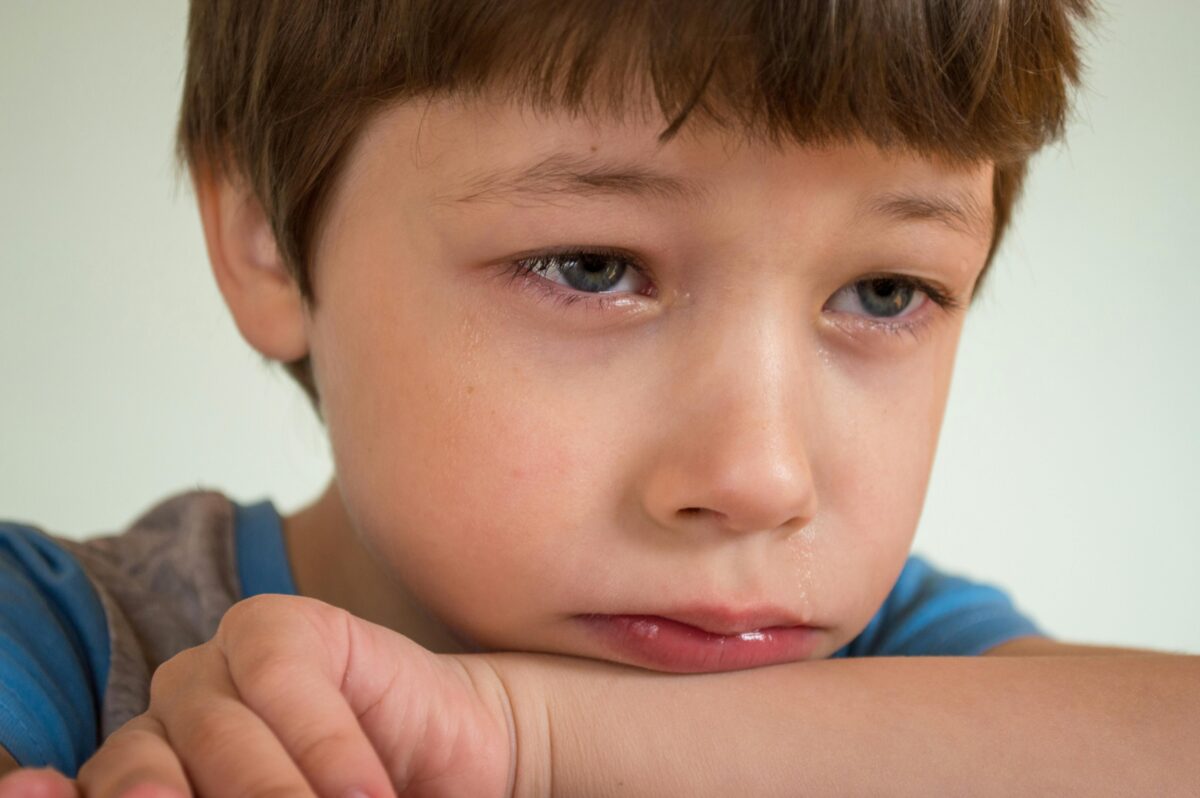
Big Behaviors Usually Mean Big Feelings. How Parents Can Respond
If you’re parenting a child with big behaviors (frequent meltdowns, emotional outbursts, defiance, or shutdowns) you are not alone. Many parents wonder why their child reacts so intensely, especially when discipline strategies don’t seem to work.
At The ZPH Group, we help families understand a key truth:
Big behaviors are often signs of big feelings, not bad behavior.
When parents learn how to respond to the emotions underneath the behavior, real change becomes possible.
What Are “Big Behaviors” in Children?
Big behaviors are intense reactions that feel disproportionate to the situation. These may include:
- Explosive tantrums or emotional meltdowns
- Yelling, aggression, or verbal outbursts
- Avoidance, refusal, or shutting down
- Perfectionism or extreme frustration with mistakes
- Increased emotional reactions at home after school
Many children who show big behaviors are bright, capable, and able to hold themselves together at school, only to release everything at home. This pattern often leaves parents feeling confused and exhausted.
Why Big Feelings Turn Into Big Behaviors
Children don’t yet have the emotional awareness or language to say:
“I’m overwhelmed, anxious, embarrassed, or emotionally overloaded.”
Instead, those feelings come out through behavior.
Big behaviors are commonly linked to:
- Anxiety in children (worry, fear of failure, social stress)
- Emotional regulation difficulties
- Executive functioning challenges (flexibility, transitions, impulse control)
- Mental exhaustion from managing demands all day
Why Discipline Alone Often Doesn’t Work
When a child is emotionally dysregulated, their brain is not ready for logic, consequences, or problem-solving. Traditional discipline strategies can unintentionally escalate the situation when they don’t address the underlying emotional need.
That doesn’t mean boundaries aren’t important…they are. But effective parenting responses balance structure and emotional support.
Statements like:
- “Calm down.”
- “You’re overreacting.”
- “There’s no reason to be upset.”
can make children feel misunderstood, increasing emotional intensity instead of reducing it.
How Parents Can Respond to Big Behaviors
1. Regulate First, Teach Later
When emotions are high, connection comes before correction. Speak calmly, reduce language, and focus on helping your child feel safe. A regulated adult helps regulate a dysregulated child.
2. Help Name the Feeling
You can say:
- “This feels really overwhelming right now.”
- “I can see how upset you are.”
- “Something big is coming up for you.”
Naming feelings supports emotional development and reduces future behavioral outbursts.
3. Set Clear, Consistent Boundaries
Empathy does not mean permissiveness. You can validate feelings while maintaining limits:
- “I won’t let you hit.”
- “Homework still needs to happen, and we can take a break first.”
Consistency helps children feel secure.
4. Reflect and Build Skills Afterward
Once your child is calm, explore what happened and what might help next time. This is where long-term emotional regulation skills are built.
Children who struggle with planning, flexibility, or emotional control may benefit from executive functioning support.
When Big Behaviors Keep Happening
If big behaviors are frequent, intense, or interfering with daily life, it may indicate that your child needs additional support. Therapy can help children:
- Understand and express emotions
- Manage anxiety and stress
- Improve frustration tolerance
- Develop coping and regulation strategies
In some cases, families benefit from deeper insight into learning, attention, or emotional patterns through neuropsychological testing.
How ZPH Group Supports Children and Families
The ZPH Group is a therapy practice in Florham Park, NJ specializing in therapy and assessment for children, teens, and adults.
What sets us apart:
- Clinicians with school-based experience, offering insight across home and academic settings
- Services for ages 10 through adulthood
- Expertise in child anxiety, emotional regulation, and executive functioning
- Comprehensive services including therapy, coaching, and neuropsychological evaluation
Our approach is collaborative, compassionate, and individualized, because no two children experience big feelings the same way.
Learn more about our approach to child and adolescent therapy or explore our full range of psychological services.
Ready to Get Support?
If big behaviors are taking over your home and leaving you unsure how to help, support is available.
👉 Contact ZPH Group to schedule a consultation or learn more about how we can support your child and family.
Big behaviors are hard — but with the right support, big feelings can become manageable.
- big behaviors in children
- emotional regulation in kids
- child behavior therapy
- anxiety in children
- parenting children with big emotions
- executive functioning challenges
- therapy for emotional outbursts